by David Minishian | Oct 5, 2024 | Lifestyle Habits, Strength Training
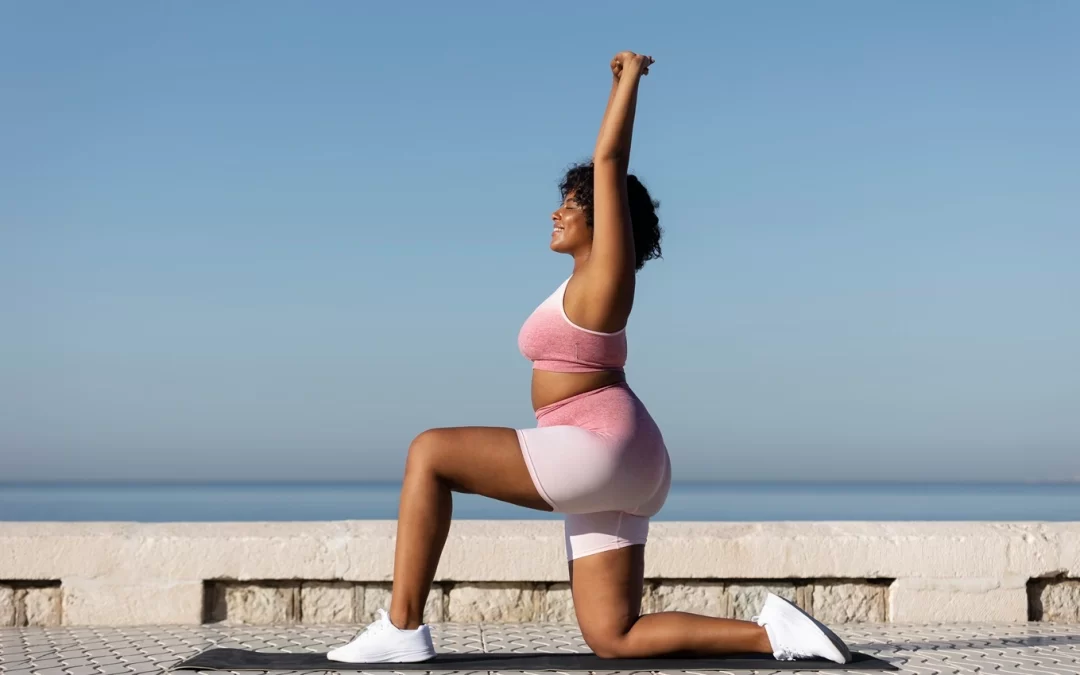
Source www.freepik.com
When setting goals, it’s easy to get fixated on the final outcome. Whether it’s losing weight, running a marathon, or building muscle, the end result can seem like the only thing that matters.
But here’s the truth: the journey is just as important—if not more so—than the destination. Focusing on the daily actions, habits, and processes that lead you to that ultimate goal can make all the difference in whether or not you succeed.
Let’s break down the difference between process goals and outcome goals and explain why the former can be the key to sustainable success in your fitness journey.
Outcome Goals vs. Process Goals: What’s the Difference?
When we talk about goals, it’s crucial to distinguish between outcome goals and process goals.
- Outcome Goals: These are the big-picture objectives that focus on the end result. They are the goals that define what you want to achieve, such as “I want to lose 20 pounds” or “I want to do a pull up.” Outcome goals are often ambitious and challenging, serving as a source of motivation because they give us something concrete to work towards.
- Process Goals: In contrast, process goals focus on the small, daily actions that will lead you to achieve those outcome goals. These goals are about the journey, not the destination. Examples of process goals include “I will go to the gym three times a week” or “I will include two servings of vegetables in my meals each day.” Process goals are actionable, detailed, and entirely within your control. They give you clear directions on what to do now, rather than a distant finish line.
Why Outcome Goals Alone Can Lead to Frustration
Outcome goals are inspiring and can light a fire under us to take action. However, they come with potential pitfalls:
- Lack of Immediate Feedback: Outcome goals often require time to achieve. If you’re focused solely on losing 20 pounds, the scale may not move as quickly as you’d like, which can lead to frustration and loss of motivation. When progress isn’t immediate or linear, it can make you feel like you’re failing—even if you’re on the right track.
- Dependence on External Factors: Outcomes are sometimes influenced by factors beyond our control, such as genetics, stress, or even temporary health issues. If your only measure of success is an outcome goal, you may feel disheartened when progress is affected by these variables.
- Pressure and Mental Strain: Focusing exclusively on outcomes can add undue pressure. This pressure may lead to stress and burnout, especially if you perceive that you’re falling short. Instead of enjoying the journey, the focus becomes a race against time, which often feels draining.
Why Process Goals Are Essential for Long-Term Success
Process goals are the antidote to the challenges of outcome-driven thinking. Here’s why focusing on process goals can lead to better, more sustainable results:
- Small, Attainable Wins: Process goals allow you to accumulate small victories along the way. For instance, if you set a goal to walk 10,000 steps a day, each day you achieve that, you get a boost of confidence and motivation. Celebrating these small wins helps you build momentum and keeps you engaged with the process.
- Build Consistency and Healthy Habits: Fitness, like many aspects of life, is about consistency. The cumulative effect of small, repeated actions over time leads to transformative results. Process goals help you build positive habits that become ingrained in your lifestyle. Whether it’s hitting the gym regularly, getting enough sleep, or practicing mindful eating, these habits compound to create lasting change.
- Stay in Control of Your Progress: One of the most powerful aspects of process goals is that they are within your control. You can’t always dictate how quickly your body will lose fat or how soon you’ll hit a new personal record in lifting, but you can control how often you exercise, what foods you choose, and how you manage your recovery. This sense of control reduces stress and empowers you to keep going.
- Focus on What You Can Do, Not Just What You Want: Process goals are actionable. They direct your attention to what you can do right now. Instead of being overwhelmed by an ambitious goal that seems out of reach, you break it down into actionable steps. This way, you feel less anxious and more confident in your ability to achieve progress each day.
How to Set Effective Process Goals
To harness the power of process goals, it’s important to make them as clear and achievable as possible. Here are some tips:
- Create Specific Goals: A well-defined process goal is specific and leaves no room for ambiguity. Instead of saying, “I want to be more active,” say, “I will attend the gym’s small group training every Monday and Wednesday morning.” The more specific the goal, the easier it is to measure progress and stay committed.
- Set Realistic and Attainable Goals: Make sure your process goals are realistic. They should fit seamlessly into your life and routine so that you’re not setting yourself up for failure. For instance, if your work schedule is demanding, aiming to work out every single day may be unrealistic. Instead, commit to something more attainable, like three times a week, which is challenging but doable.
- Focus on Controllable Goals: Process goals should always be within your control. For example, instead of focusing on the outcome, such as “I want to lose weight,” focus on the actions that can contribute to weight loss: “I will drink eight glasses of water each day,” or “I will take the stairs instead of the elevator.” These are habits you can manage and accomplish without relying on unpredictable factors.
Examples of Process Goals for Fitness
To help make these ideas more concrete, here are some process goals you can adopt depending on your fitness objectives:
- For Weight Loss: “I will track my calorie intake for five days a week using a food diary or app.”
- For Building Strength: “I will perform resistance training exercises three times a week focusing on different muscle groups.”
- For Improving Endurance: “I will run for 20 minutes every Tuesday and Thursday, gradually increasing by 5 minutes each week.”
- For Better Nutrition: “I will add one serving of leafy greens to my lunch each day.”
The Power of Focusing on the Journey
Ultimately, in fitness, the emphasis should be on enjoying and committing to the journey rather than stressing over the destination. By prioritizing process goals over outcome goals, you’re more likely to foster a healthy mindset, build habits that last, and enjoy the process of becoming stronger and healthier.
Each day you stay committed to your process goals, you are taking steps forward—steps that will eventually lead you to your desired outcome, without the overwhelming pressure to get there in a specific timeframe.
Conclusion
When it comes to achieving fitness goals, success isn’t about arriving at a finish line as quickly as possible. It’s about taking consistent action, celebrating small victories, and embracing each part of the journey. Outcome goals may be what initially spark motivation, but it’s process goals that carry you through, helping you cultivate a lifestyle that supports long-term health and happiness.
Embrace the process, set actionable and realistic goals, and watch yourself transform—one small, meaningful step at a time.

by David Minishian | Sep 14, 2024 | Strength Training
It’s not just about looking fit—building more muscle comes with a range of benefits including greater strength and an improved quality of life.
To achieve these results, it’s essential to understand how your body creates lean, defined muscle. Whether you’re aiming to lose fat, tone up, or get stronger, knowing what happens inside your body can help you get better results from every workout.
Curious?
Let’s dive into the process that transforms your hard work into the sculpted physique you’re after!
The Muscle Protein Synthesis Process
Building lean muscle requires more than lifting weights—it’s a complex biological process that begins every time you challenge your body with resistance training. Understanding this process reveals how your workouts, diet, and recovery all work together to help you tone up and build strength.
Step 1: Muscle Stress and Breakdown
Every time you lift weights or challenge your muscles, you’re causing tiny amounts of stress and micro-damage to the muscle fibers. This might sound bad, but it’s actually essential! These micro-tears signal your body to repair and strengthen your muscles, setting the stage for toning and fat loss.
Step 2: Feeding Your Muscles with Protein
Protein is your muscle’s best friend. After your workout, the protein you eat (from sources like chicken, fish, beans, and dairy) is broken down into amino acids and delivered straight to your muscles through your bloodstream. This fuels the repair process.
Step 3: Muscle Repair and Strengthening
Once those amino acids reach your muscles, they get to work rebuilding and repairing the damaged fibers. This process not only strengthens the muscles but also makes them more toned and defined.
Step 4: Muscle Growth and Adaptation
Over time, as you stay consistent with your workouts and your nutrition, your muscles adapt and grow stronger. This is where you’ll notice that lean, toned look as your muscles become more defined and capable of handling more resistance.
Your body is a powerful muscle-building machine—and with the right workout and nutrition plan, it can help you achieve that toned, lean physique you’re striving for!
by David Minishian | Apr 22, 2023 | Strength Training, Women's Health
Strength training is an essential part of any fitness routine, and it’s particularly important for women. Despite common misconceptions, strength training isn’t just for bodybuilders or athletes – it’s a powerful tool for improving overall health and wellness.
Let’s explore the top 10 benefits of strength training for women and show you why it should be an integral part of your fitness plan.
1. Increased Muscle Definition
Strength training is one of the most effective ways to build lean muscle mass which is necessary to improve muscle definition. By challenging your muscles with resistance exercises, you create tiny tears in the muscle fibers that then repair and grow stronger. This process, coupled with a reduced body fat percentage, leads to a leaner, more toned physique.
2. Improved Bone Density
As women age, they are at increased risk of osteoporosis, a condition characterized by weak and brittle bones. Strength training is an excellent way to combat this risk by building stronger, denser bones.
3. Enhanced Overall Health
Strength training can also improve overall health by reducing the risk of chronic diseases such as diabetes, heart disease, and obesity. It can also improve balance, flexibility, and coordination.
4. Reduced Risk of Injury
By strengthening the muscles, tendons, and ligaments that support the joints, strength training can reduce the risk of injury during sports or other physical activities.
5. Increased Metabolism
Strength training can also boost metabolism by increasing muscle mass, which burns more calories at rest than fat. This can help with weight loss and weight management.
6. Improved Posture
Strength training can help improve posture by strengthening the muscles that support the spine, shoulders, and hips. This can alleviate pain and discomfort associated with poor posture.
7. Better Sleep
Regular exercise, including strength training, can improve sleep quality and duration. This can lead to better overall health and wellness.
8. Reduced Stress and Anxiety
Exercise has been shown to reduce stress and anxiety levels, and strength training is no exception. The endorphins released during exercise can improve mood and reduce feelings of stress.
9. Increased Confidence and Self-Esteem
Strength training can improve body image and self-esteem by creating a sense of accomplishment and improving physical appearance.
10. Enhanced Athletic Performance
Strength training can improve athletic performance by increasing power, speed, and endurance. This can benefit athletes of all levels, from weekend warriors to professional athletes.
Strength training is a powerful tool for improving overall health and wellness, particularly for women. By incorporating strength training into your fitness routine, you can enjoy numerous benefits, including increased muscle tone, improved bone density, and enhanced athletic performance. Start small and gradually increase the weight and intensity of your workouts to see the best results.
by David Minishian | Mar 21, 2023 | Strength Training
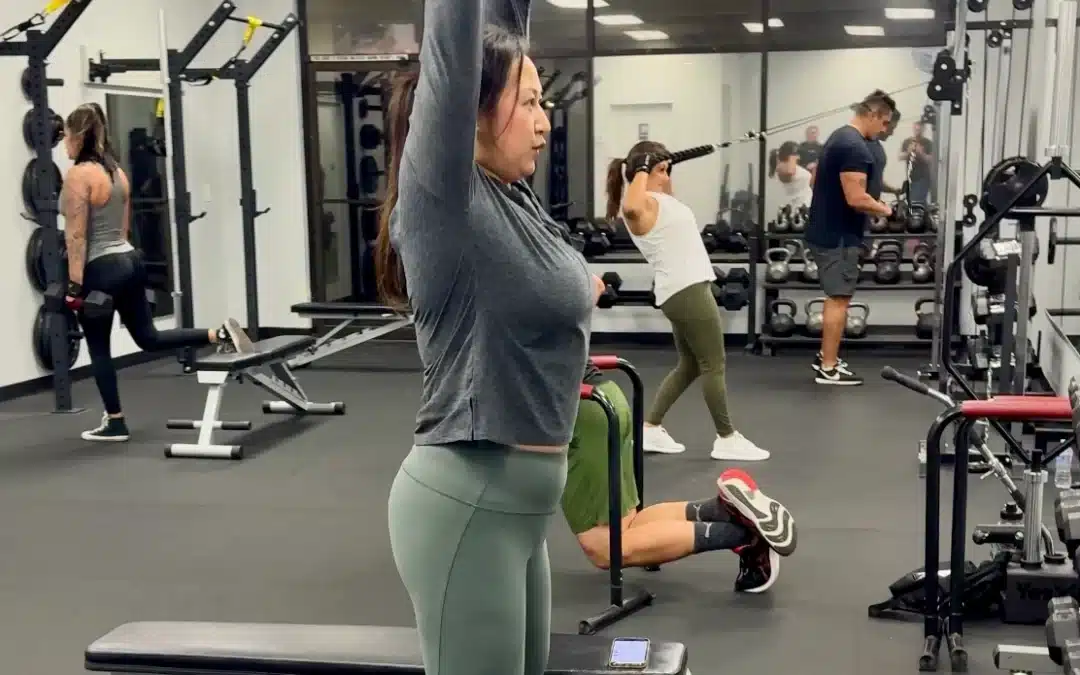
Semi-private training sits between the two most common ways people train with a coach: a large group class where you’re one of twenty, and 1-on-1 personal training where every session is built around just you. At Sculpt Fitness, semi-private training means you’re coached in a group of 3 to 5 people — never more than 7 — so your coach can actually watch your form, adjust your weight, and know your name without spreading their attention across a full class.
How It’s Different From a Regular Fitness Class
In a large group class, a coach is managing the room — timing, safety, general cues. They can’t watch every rep of every person. In semi-private training, the small group size means your coach is watching *your* set for your specific programming, not just calling out instructions to the room. If your squat depth is off or you need a lighter weight, they catch it in real time, not after you’ve done it wrong for three weeks.
How It’s Different From Personal Training
Personal Training gives you a fully individualized program built around only you — no one else’s schedule, goals, or pace factor in. Semi-private provides the same level of individualization but trades in a small amount of that 1-1 focus for a lower cost per session, while still keeping the group small enough that you get real coaching attention. Most people who choose semi-private are looking for that middle ground: more attention and personalization than a class, more affordable than 1-on-1.
Who Semi-Private Training Is Best For
- People who want real coaching and a fully custom program but don’t need (or want to pay for) 1-on-1 attention.
- People who like having a small, consistent group of training partners without the size of a full class.
- People coming from a big-box gym who’ve never had a coach actually watch their form before.
What a Session Actually Looks Like
Sessions are held in our semi-private room designed with all the equipment you need to complete your training plan with an overseeing coach. Your coach will provide form correction, weight suggestions, and exercise modifications as needed. When your programming needs an update to help you achieve more progress, your coach will make the appropriate changes and explain the new plan. This class is individually structured, not a free-for-all — you’re not just given a printout and left alone in a corner of the gym.
Frequently Asked Questions
How many people are in a semi-private session?
At Sculpt, groups run 3 to 5 people, with 7 as an absolute cap. That’s intentional — past that size, a coach can’t reasonably do a good job. On the rare occassion more than 7 people want to attend a class, our head coach, David, will step in to accommodate a larger group without compromising on coaching attention for each client.
Is semi-private training as effective as personal training?
For most people, yes. The main tradeoff isn’t effectiveness, it’s how individual attention you need at all times. If you have a very specific goal (injury rehab, sport-specific training, a tight timeline), 1-on-1 may be worth the extra cost. For most strength, fat loss, and consistency goals, semi-private gets people where they want to go.
How is this different from Small Group Boot Camp?
Small Group Boot Camp runs a slightly larger class of 4-8 people on a resistance training circuit that is designed for fat loss, building muscle, and giving you more energy. While the boot camp is scaled up or down in difficulty and intensity to appropriately challenge you, the semi-private training plans are 100% customized to each client, which costs more per session but gives you more specific outcomes. See the full comparison in Small Group Boot Camp vs. Semi-Private Training.
See If Semi-Private Training Is Right for You
Book a semi-private training session at Sculpt Fitness in Long Beach
by David Minishian | Jan 20, 2023 | Bodybuilding, Exercise, Fat Loss, Fitness, Nutrition, Sleep, Strength Training
With the right training and nutrition, you can achieve the lean, tone physique you’ve always dreamed of. This doesn’t just mean building muscle and losing fat; it requires a strategic approach to both. By incorporating specific training methods and nutrition principles used by fitness pros, you can effectively sculpt your body and achieve visible results faster.
Here’s how to get started on your journey to a lean, tone physique.
1. Prioritize Compound Exercises for a Defined Physique
Compound exercises, which involve multiple joint movements and muscle groups, should form the foundation of your training program. These exercises help build muscle mass and improve body composition more efficiently than isolation exercises. For a lean, tone physique, focus on foundational movements like:
- Squats: Target the legs and core, boosting overall lower-body strength.
- Deadlifts: Engage the entire posterior chain, enhancing muscle growth and fat loss.
- Bench Press: Develop the chest, shoulders, and triceps.
- Rows: Strengthen the back and improve posture, critical for a toned upper body.
By performing these movements regularly, you can build a strong, balanced physique that not only looks great but also functions well in daily life.
2. Embrace A Progressive Overload to Sculpt Your Body
A key principle in building a lean, toned physique is progressive overload. This means gradually increasing the demands on your muscles over time. Without consistent progression, your muscles won’t continue to grow or get stronger.
- Increase Weight: Gradually lift heavier weights as your strength improves.
- Boost Reps and Sets: Add more repetitions or sets to your workouts to increase intensity.
- Enhance Range of Motion: Focus on improving form and extending your range of motion for each exercise.
These incremental changes, even if small, will continuously challenge your muscles, preventing plateaus and helping you achieve a sculpted, lean physique.
3. Optimize Your Diet for a Lean, Tone Physique
Diet is just as important as training when it comes to achieving a lean, toned physique. Your nutritional strategy should align with your specific fitness goals, whether that’s building muscle or losing fat.
- For Muscle Growth: Focus on a calorie surplus and consume at least 1 gram of protein per pound of lean body mass. This fuels your workouts and supports muscle recovery.
- For Fat Loss: Maintain your protein intake but reduce overall calories by cutting fats and carbohydrates. This helps preserve muscle while promoting fat loss.
Regardless of your goal, prioritize whole, nutrient-dense foods like lean proteins, whole grains, healthy fats, and plenty of vegetables. Supplements like high-quality protein powders can also be useful for meeting your protein needs.
4. Incorporate Rest and Recovery to Build a Defined Physique
Rest and recovery are crucial for muscle growth and fat loss. Without adequate recovery, you risk overtraining, which can hinder your progress and lead to injury.
- Rest Days: Schedule rest days to allow your muscles to recover and grow.
- Active Recovery: Activities like yoga, stretching, or foam rolling can enhance recovery and reduce muscle soreness.
Listening to your body and incorporating sufficient rest will help you maintain a consistent training schedule and avoid burnout.
5. Prioritize Quality Sleep for a Toned Body
Getting enough sleep is essential for achieving a lean, toned physique. During sleep, your body releases growth hormone, which aids in muscle repair and fat loss.
- Aim for 7-9 hours of sleep per night to maximize recovery and performance.
- Establish a consistent sleep schedule and create a calming bedtime routine to improve sleep quality.
Good sleep habits will support your training efforts and help regulate hunger hormones, making it easier to maintain a healthy diet.
6. Find Support: Workout Partners and Coaches
Having a support system can make a big difference in achieving your fitness goals. A workout partner or coach provides accountability and motivation, helping you stay consistent.
- If you’re in Long Beach, consider joining a group fitness program like Sculpt Fitness’s Small Group Boot Camp or Semi-Private Training Program. These programs offer expert guidance and a supportive community, perfect for building a lean, toned physique.
7. Track Your Progress to Stay on Track
Tracking your progress is key to staying motivated and making adjustments as needed. Use a workout journal to record your exercises, weights, and reps. Take regular progress photos and measurements to visually track changes.
Monitoring your nutrition and lifestyle habits is equally important. Keep a food diary and note how you feel in terms of energy and performance. This comprehensive tracking approach will help you identify areas for improvement and celebrate your achievements.
Conclusion
Building muscle and losing fat requires dedication and consistency, but by implementing these, not so secret, secrets from the pros you can achieve the lean, tone physique you’ve always wanted.

by David Minishian | Jan 13, 2023 | Exercise, Fitness, Strength Training
Crafting an effective workout routine takes a well thought-out plan. Randomly throwing exercises together can only get you so far. At some point you’ll have to transition from exercising to training by doing an effective workout routine created for a specific goal.
To give you some insight into the process, we’ve compiled a list of 10 surprising tips that will help you create the most effective workout routine of your life.
1. Don’t just focus on the “big four”
Squats, deadlifts, back row, and bench press are important for building strength and muscle and are the foundation for a good workout routine. While these compound movements are important, the “big four” shouldn’t be the only focus of your workout routine. Other isolation exercises that target smaller muscle groups, like bicep curls and tricep dips, or exercises that improve your balance and flexibility, like yoga or pilates play a significant role in a training program. Supplemental exercises round out a routine giving you better overall results and reduce your risk of injury.
2. Mix up your workouts
Doing the exact same workout day after day can get boring and can also lead to a plateau in your progress. Try to mix up your workouts by progressing exercises difficulty, using new exercise modalities, or incorporating new exercises. This can include scaling up the weight or changing the number of repetitions, incorporating more challenging exercises like pistol squats, using negatives or drop sets, or spending time doing an activity you enjoy like running, cycling, swimming, or even just going for a hike. By adding new variables to your workouts, you’ll keep the mind engaged and stay more consistent with training. This will ultimately lead to better results as your body adapts.
3. Pay attention to recovery and rest
Remember that your body needs time to recover after a tough workout. Make sure to schedule in rest days or active recovery days where you do lighter activity or stretching. This will give your muscles time to repair and grow, and will also prevent overtraining and burnout. Overtraining plateaus your results and increases your risk for injury. Sometimes less is more.
4. Find activities you enjoy
Exercise doesn’t have to feel like a chore. In fact, it’s more likely that you’ll stick with a routine if you find activities that you enjoy. Whether it’s dancing, kickboxing, or even just going for a leisurely walk, find something that makes you look forward to exercising. You’ll be more likely to stick with it in the long run and see better results if you foster your relationship with exercise. Even if that activity isn’t the “optimal” method of training, it’s better to build consistency and do something rather than nothing.
5. Set specific and achievable goals
Before you even start planning your workout routine, it’s important to have a clear idea of what you want to accomplish. Do you want to lose weight, build muscle, improve your endurance, or something else? Make sure your goals are specific and achievable. For example, instead of saying “I want to lose weight,” try “My goal is to lose 10 pounds in the next three months by exercising at least three times per week and eating 1800 calories daily.” Having clear and specific goals will give you a concrete path you can actually follow.
6. Make a schedule and stick to it
Once you have your goals in mind, it’s time to start planning your workouts. Make a schedule that works for you and try to stick to it as closely as reasonably possible. Consider factors like your work schedule, family commitments, and energy levels when deciding when and how often to exercise. You might find it helpful to schedule your workouts for the same time each day or week to make it easier to stay consistent. However, when things pop up and disrupt your schedule try to be flexible in your approach. A morning workout on Monday may need to be done in the evening or moved to Tuesday. Adapt to the challenges thrown your way.
7. Warm up and cool down properly
A proper warm-up and cool down are essential for any effective workout routine. A warm-up helps to gradually increase your heart rate and get your muscles ready for exercise, while a cool down helps to gradually decrease your heart rate and relax your muscles. Both are important for preventing injury and speeding up recovery. A good warm-up may include some light cardio and dynamic stretches, while a cool down may include some static stretches and foam rolling.
8. Incorporate strength training
While cardio is important for improving cardiovascular fitness, strength training should be an essential part of any effective workout routine. Strength training helps to build and maintain muscle mass, which is important for metabolism and overall health. It also improves bone density and helps target fat loss to maintain a healthy body composition. Aim to incorporate strength training at least two to three times per week, using a variety of exercises to work each muscle group.
9. Listen to your body
It’s important to listen to your body and pay attention to how it feels during and after your workouts. If you’re feeling exhausted or suffering from aches and pains, it might be time to take a break or scale back your workouts. It’s better to take a step back and adjust your routine than push yourself too hard and risk injury. On the other hand, if you’re feeling energized and strong, it might be time to challenge yourself and try something new. Trust your body and make adjustments as needed.
10. Don’t be afraid to ask for help
Finally, whether you’re new to working out or just feeling stuck in your current routine, don’t be afraid to seek out guidance from a personal trainer or fitness coach. They can help you design a workout plan that is tailored to your specific goals and needs, show you how to progress the program as you get results, and provide support and encouragement along the way.
Creating an effective workout routine involves more than just showing up at the gym and lifting weights. By setting specific and achievable goals, making a schedule and sticking to it, incorporating strength training and other activities, and paying attention to your body, you can craft a routine that is tailored to your needs and goals. With a little bit of planning and dedication, you can achieve the results you want and take your fitness journey to the next level.